
Choosing the right management programme is not always as simple as it may seem. The right programme can provide you with new skills, help you reach your professional goals, and enable you to take up greater responsibilities. There is a variety of programmes on offer, but how to choose the one that best fits your needs?
The answer is embedded in the most obvious place – in your professional goals.
A candidate aiming to climb up the corporate ladder has different requirements from a programme as compared to someone looking to gain an understanding of another industry or get acquainted with core principles of management. It is important to take stock of your needs and desires before embarking on a management learning journey. Here’s how you can choose the best-fit programme for you:
Read More: Top 5 Remote Employee Time Tracking Software in 2026
Start With Your Career Aspirations
Before you begin searching for the perfect management programme, get clarity on your career objectives. Do you aspire to become a manager in the short term? Do you want to pivot to a different industry? Are there certain gaps in your current skill set that you want to fill?
Your professional goals may range from switching to a business function to gaining leadership skills or decision-making abilities. Some people may want to deepen their understanding of strategy while some may want to start their own venture. You may also want to take on larger responsibilities at work.
Each career aspiration has different implications for the kind of management programme you need to pick. It is important to choose a programme aligned with your goals. Once you have clarity on where you see yourself in the future, choosing a learning pathway becomes much easier.
Take an Honest Look at Your Skills
An honest evaluation of your skills is important to ensure that you end up picking a programme that complements your existing skill set and fills the gaps. If you already have years of domain experience, what kind of business knowledge do you lack? If you have some managerial experience, does your leadership skill need refinement?
It is important to honestly evaluate what you bring to the table and where you need assistance. For instance, candidates with strong technical skills but little or no exposure to business functions can benefit from a programme in business management and leadership that can help them acquire managerial skills and prepare them for greater professional challenges.
Professionals eyeing on to enhance their management knowledge and leadership skills may consider a course like IIMK Executive Post Graduate Programme in Management, depending on their personal and professional requirements.
The important thing is to choose a learning pathway that builds upon your existing skills rather than one that retraces the same skills over and over again.
Look Closely at the Curriculum
Curriculum is the backbone of any course, so it is important to look into the syllabus of the programme under consideration before zeroing in on it. As someone who is looking to invest time and effort in management education, it is important to keep in mind the relevance of the course to your professional goals. It is best to ask yourself whether the kind of learning provided in the course would actually aid your career growth.
When choosing a programme, here are a few things you should consider:
Strategy and Decision Making: Strategic decision-making has become an integral part of modern-day management. As managers are expected to take a bird’s eye view of the operations, gaining an understanding of strategic decision-making processes can provide them with the perspective they need to take informed business decisions.
Finance and Business Performance: Every business owner wants to make their organisation more profitable and financially stable. As a manager, you need to be able to comprehend financial statements and understand how the business is performing, in order to be able to take decisions aimed at improving the financial health of the organisation.
Leadership and People Management: With managerial roles evolving by the day, managing people is more challenging than ever. It is important for managers to not only be able to handle people but also to lead from the front, motivate their teams, and guide them through the challenges they face at work.
Marketing and Operations: Understanding how different business functions tie into each other can provide managers with a holistic view of business operations. It can also help them better understand the needs of the market and their customers.
A relevant curriculum can make all the difference in your learning experiences, enabling you to apply your learnings in a practical setting in the future.
Choose a Programme Based on Your Experience
Along with your career goals and skill requirements, the amount of professional experience you have also determines the kind of programme that would be most relevant to your needs. It is important to choose a course that is suitable for your stage in life. A young professional would have varied requirements from an experienced executive who has spent more than a decade in the corporate world.
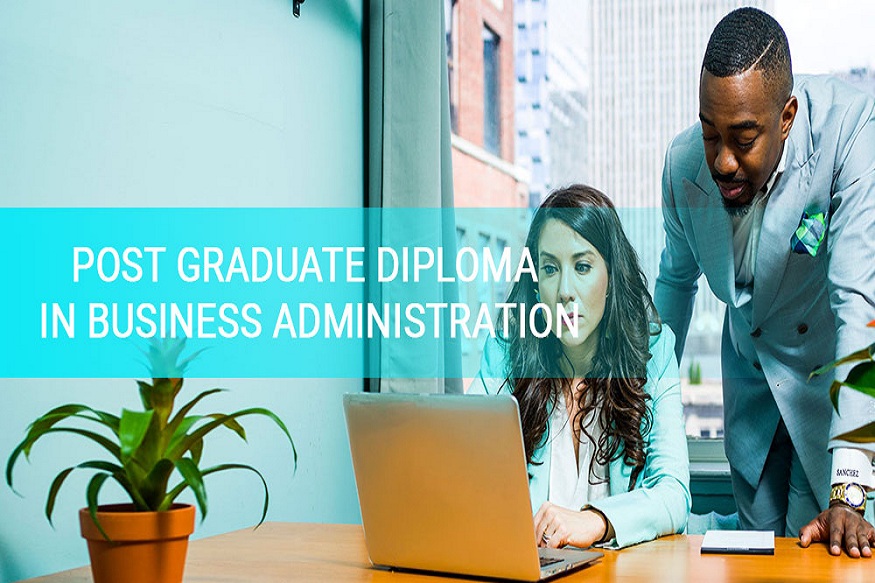
For instance, young professionals considering management education would benefit from a course like Executive Post Graduate Diploma in Business Management that can provide them with a comprehensive understanding of essential business concepts and prepare them for greater professional challenges in the future.
Experienced professionals, on the other hand, would benefit from a programme that focuses more on honing their decision-making abilities and teaching them core aspects of leadership in depth.
When you choose a programme based on your professional experience, it becomes much easier to benefit from the learning experiences on offer.
Consider the Learning Format
When it comes to management education, the format in which the course is delivered is just as important as the curriculum. As a working professional, it is important to evaluate the various learning modes on offer before enrolling for a course.
Some programmes offer full-time classroom mentorship while some offer online learning. Some programmes offer a hybrid of online and offline mode of learning while some have flexible schedules that one can customise according to one’s needs.
You must also consider the practical aspects of the programme, such as case study analysis, group activities, and assignments that can aid in enhancing your learnings.
Although a busy work schedule can be an impediment in pursuing management education, it shouldn’t stop you from acquiring new skills. When you choose a learning format that supports your work-life balance, you would find it much easier to adhere to all the demands of a programme.
Look Beyond the College Reputation
When it comes to choosing an educational institute, the institute’s standing in the industry is understandably important. However, it is important to keep in mind the kind of learning experience one would get in the programme rather than just focusing on the name and reputation of the institute.
Who would be teaching you? What would the teaching methodology be like? Would you get ample opportunities to engage with your classmates and discuss real-life business challenges?
Management education is all about understanding management concepts through real-life examples. This is why the presence of case studies, practical assignments, and group discussions on real-world scenarios is of great importance to someone venturing into management education.
Learning from the experiences of fellow professionals is just as important. When you interact with other young professionals from varied walks of life, you can greatly benefit from their perspectives, garner new ideas, and even build a valuable network of contacts along the way.
Focus on the Long-Term Impact of Your Education
When you enrol for a management programme, it is natural to be excited about the opportunities it may bring you. However, when choosing the right programme, it is important to think long-term rather than focusing only on the short-term benefits.
Instead of asking yourself “how this programme can get me a better job”, think about “how this programme can enable me to grow in my profession”. Ask yourself how the programme would prepare you to take on greater professional challenges in the future.
The right learning experience can have a great long-term impact on your career. Here’s what it can do for you:
- Broaden your understanding of business management
- Enable you to develop decision-making and problem-solving skills
- Get you prepared to take up leadership roles
- Empower you to adopt a manager’s mindset
- Provide you with the confidence and skills to take on greater challenges
Your management education can greatly facilitate your professional growth, as long as you use the right opportunities to learn and enhance your skills.
Overall, it is important to keep in mind the following tips to choose the best management programme:
- Understand what your professional goals are and what you want to achieve
- Get an idea of the kind of skills you require to achieve those goals
- Choose a programme that offers the syllabus, duration, and other features that best suit your requirements
- Pick a programme based on your years of experience and current professional status
- Think about how you want to learn and how the programme can support your work-life balance
- Focus on the kind of learning experience rather than just the reputation of the college
- Keep your long-term professional growth in mind
Read More: How Learning Google Ads Can Boost Your Career Opportunities
At the end of the day, choosing the management programme boils down to understanding your needs and choosing a programme that enables you to get the most out of your management education. After all, your career growth is closely intertwined with the kind of management programme you choose.
Frequently Asked Questions
1. How do I choose the right management programme?
To choose the best management programme, it is important to understand your career objectives and the skills you desire to obtain. You should also review the course curriculum, duration, learning mode, and relevance of the programme to your professional needs.
2. Who should pursue an executive management programme?
An executive management programme can be beneficial for individuals who are considering transitioning to a managerial position or want to strengthen their leadership qualities. Choosing the best-fit programme depends on an individual’s professional requirements and career aspirations.
3. What skills can I gain from a management programme?
Depending on the management programme’s curriculum, you may gain a wide range of skills, including leadership, decision-making, finance, communication, and more.
4. Is an online management programme suitable for working professionals?
An online management programme is an excellent option for working professionals as it offers unparalleled flexibility. However, before enrolling, it is important to understand the learning mode, duration, features, and overall learnings of the programme.
5. How can management education help with career growth?
Management education can help professionals develop a deeper understanding of the core concepts of management, enabling them to adopt a manager’s mindset and gain the confidence and expertise to take on greater professional challenges.
Visit Website : https://timespro.com/